
On this page
Introduction
Gum disease is quiet. There is rarely pain until teeth start to move, and by then bone has already been lost. It is also the single most common reason cosmetic and implant work fails later.
TLDR;
- Bleeding when brushing is not normal, it is the first sign of inflammation.
- Gingivitis is reversible; periodontitis has already cost you bone.
- Treatment is deep cleaning under anaesthetic, sometimes minor surgery.
- Implants in untreated gums fail far more often.
- Maintenance every three to six months is part of the treatment, not an extra.
How it progresses
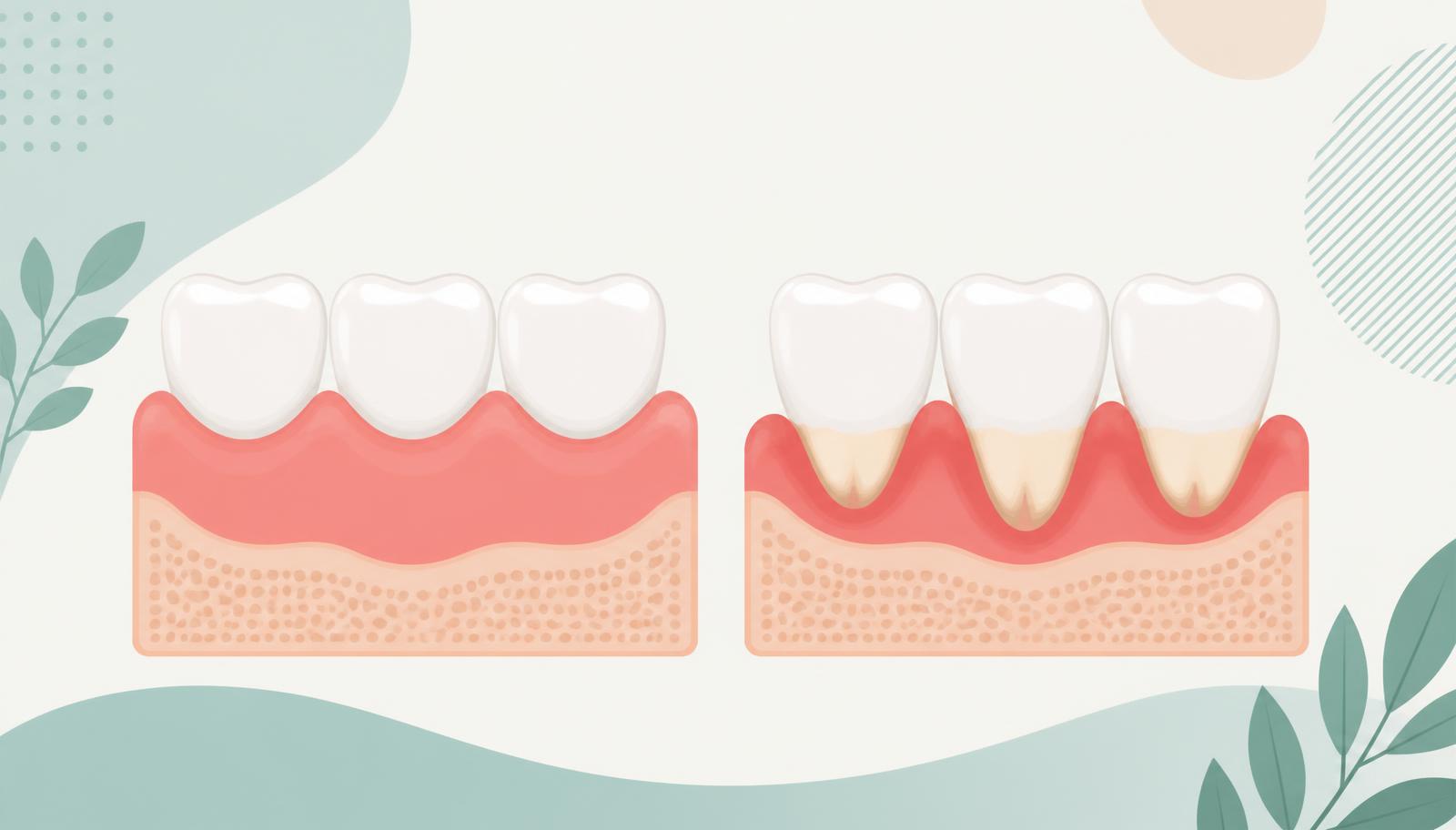
Plaque hardens into calculus below the gum line. The body responds with inflammation that dissolves the bone around the root. Pockets deepen, cleaning becomes impossible at home, and the cycle accelerates. Smoking, diabetes and genetics all speed it up.
What treatment involves
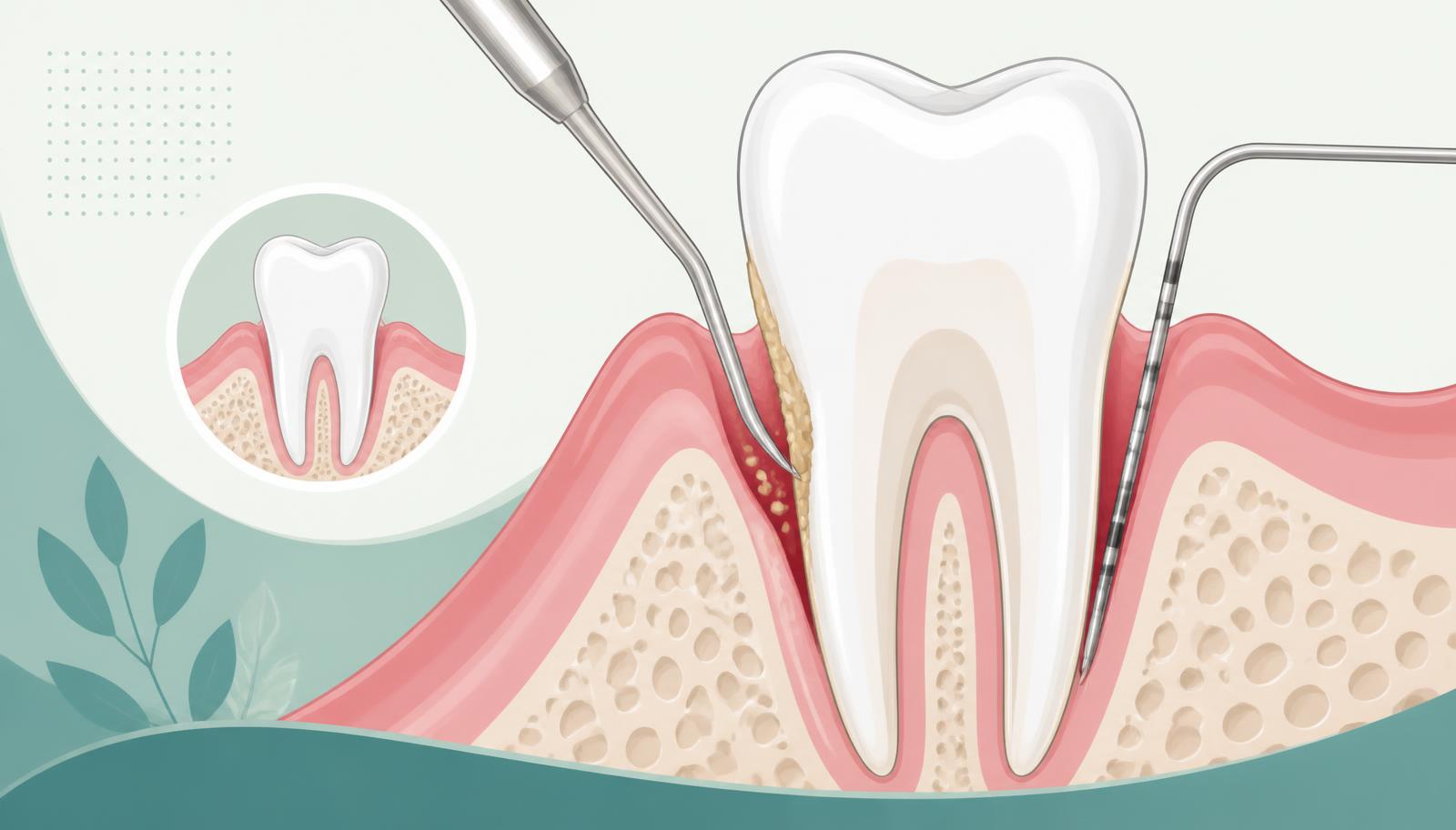
We measure every pocket and take X-rays first, so there is a baseline. Then scaling and root planing under local anaesthetic, quadrant by quadrant, usually across two visits. Deep pockets that do not close may need flap surgery or regenerative material. Six to eight weeks later everything is re-measured to prove it worked.
Why implants have to wait
The bacteria that attack teeth also attack implants, a condition called peri-implantitis, and it is much harder to treat. A clinic that offers you implants in one week without ever mentioning your gum condition is selling speed, not health.
What we do at Dental Oasis
Every implant, veneer and crown plan begins with a periodontal assessment. If your gums need treatment first, we say so before you book flights and we build the maintenance visits into the plan.
Ask for a written assessment, or read what to check before implants abroad.