
On this page
Introduction
Full-arch rehabilitation is the single most common reason international patients travel for dental treatment. This article explains what the procedure actually involves, how long it takes, and when travelling abroad is the wrong call.
TLDR;
- Typical saving in the Albanian market is 50–70% against UK private fees.
- Treatment needs two trips, three to six months apart.
- You leave the clinic with fixed temporary teeth on the day of surgery.
- Adequate bone volume is required; otherwise extra grafting techniques apply.
- Hygiene visits and annual reviews are mandatory, not optional.
- Smoking materially increases the risk of implant failure.
How the procedure works
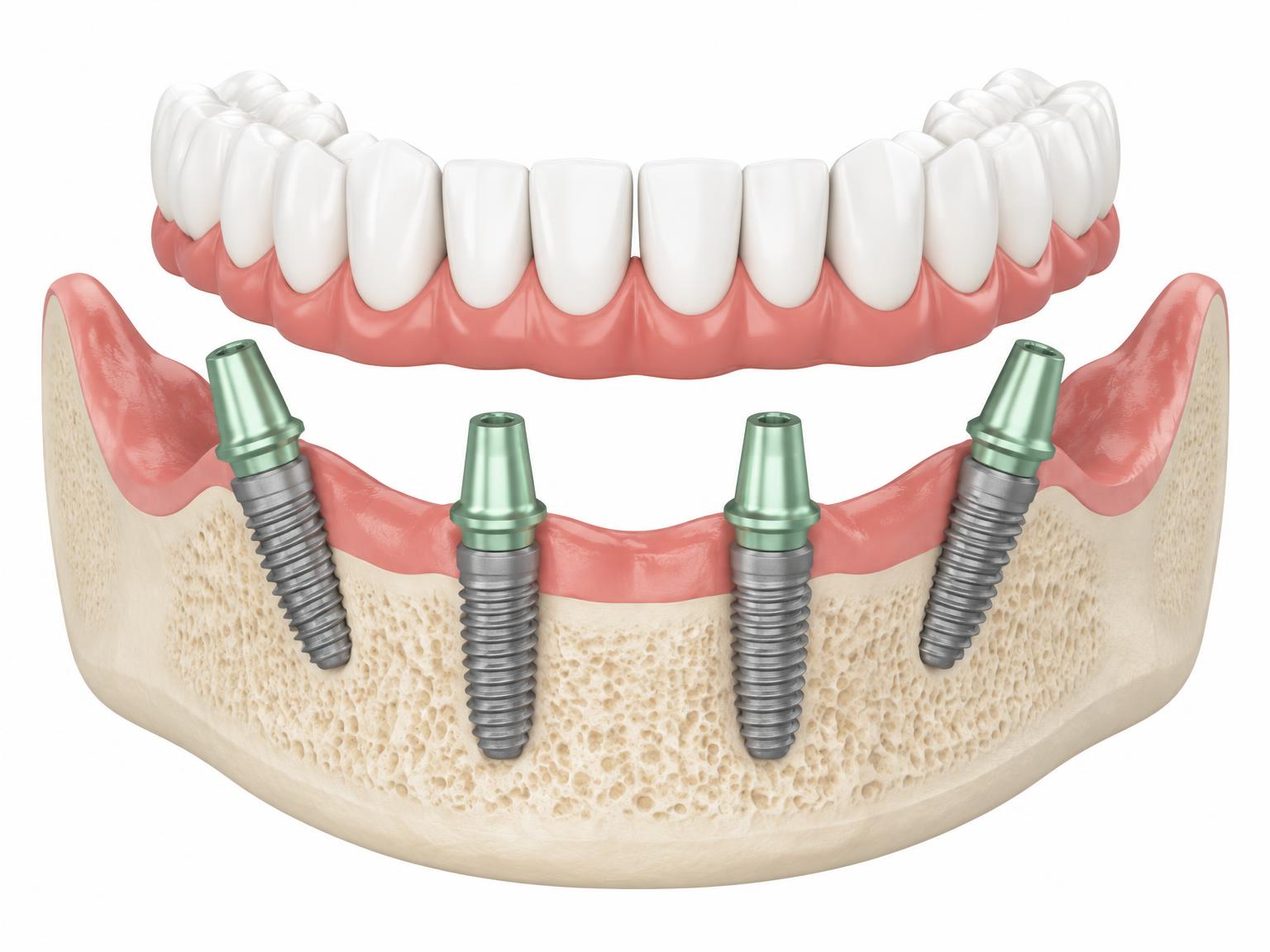
Four implants are placed in strategic positions, with the two rear implants tilted to use the existing bone and often avoid grafting. A fixed temporary bridge is attached on top, which lets you eat soft food from day one.
Trip timeline
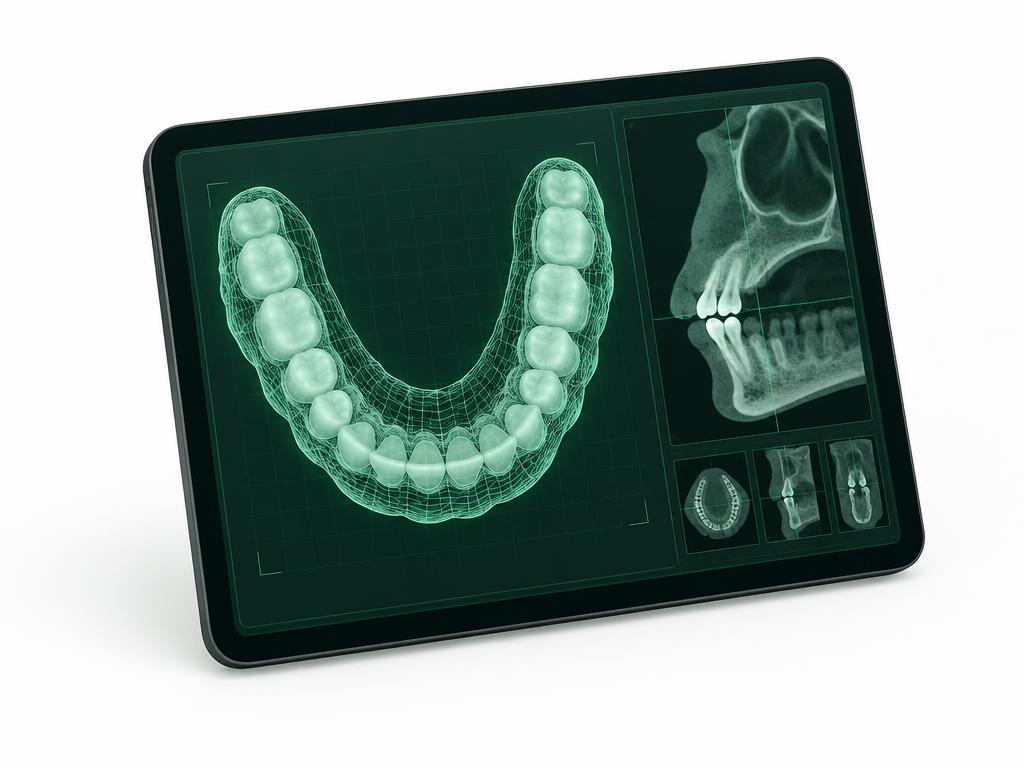
Trip 1 (5–7 days): consultation, CBCT, extractions if needed, implant placement, fixed temporary bridge and a review before you fly home.
Between trips (3–6 months): osseointegration. You live normally on the temporary bridge.
Trip 2 (5–7 days): records, try-in and fitting of the definitive prosthesis in zirconia or reinforced acrylic.
When it is not worth it
If you have severe bone loss requiring extensive grafting, uncontrolled systemic disease, or you cannot commit to follow-up reviews after treatment, the financial benefit disappears quickly against the clinical risk. A serious clinic will tell you this before you book a flight.
Maintenance
Professional cleaning twice a year, a radiographic review annually, and daily hygiene with interdental brushes. With that care, full-arch prostheses routinely function well beyond ten years.