
On this page
Introduction
Whitening is the most requested cosmetic treatment and also the most misunderstood. This article explains what you can realistically expect, which methods work, and when the answer should be no.
TLDR;
- Realistic expectation: three to six shades lighter, not artificial white.
- An in-clinic session takes around ninety minutes; trays take ten to fourteen days.
- Combining both gives the most stable result.
- Fillings, crowns and veneers do not whiten.
- Temporary sensitivity is normal and lasts twenty-four to forty-eight hours.
- Unsupervised products can damage enamel and gums.
The methods
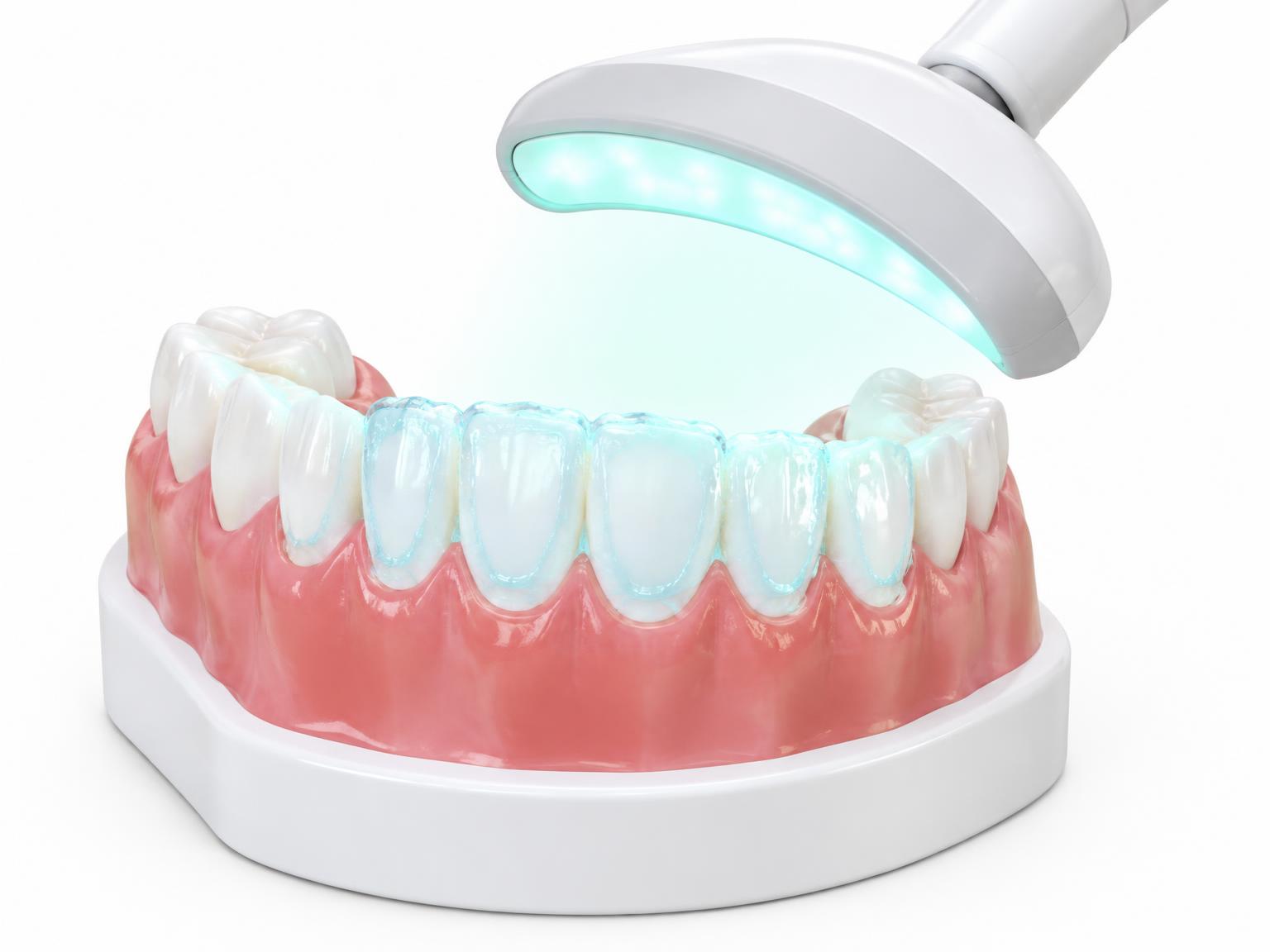
In-clinic: high-concentration gel applied with gum protection. Fast, with a visible result the same day.
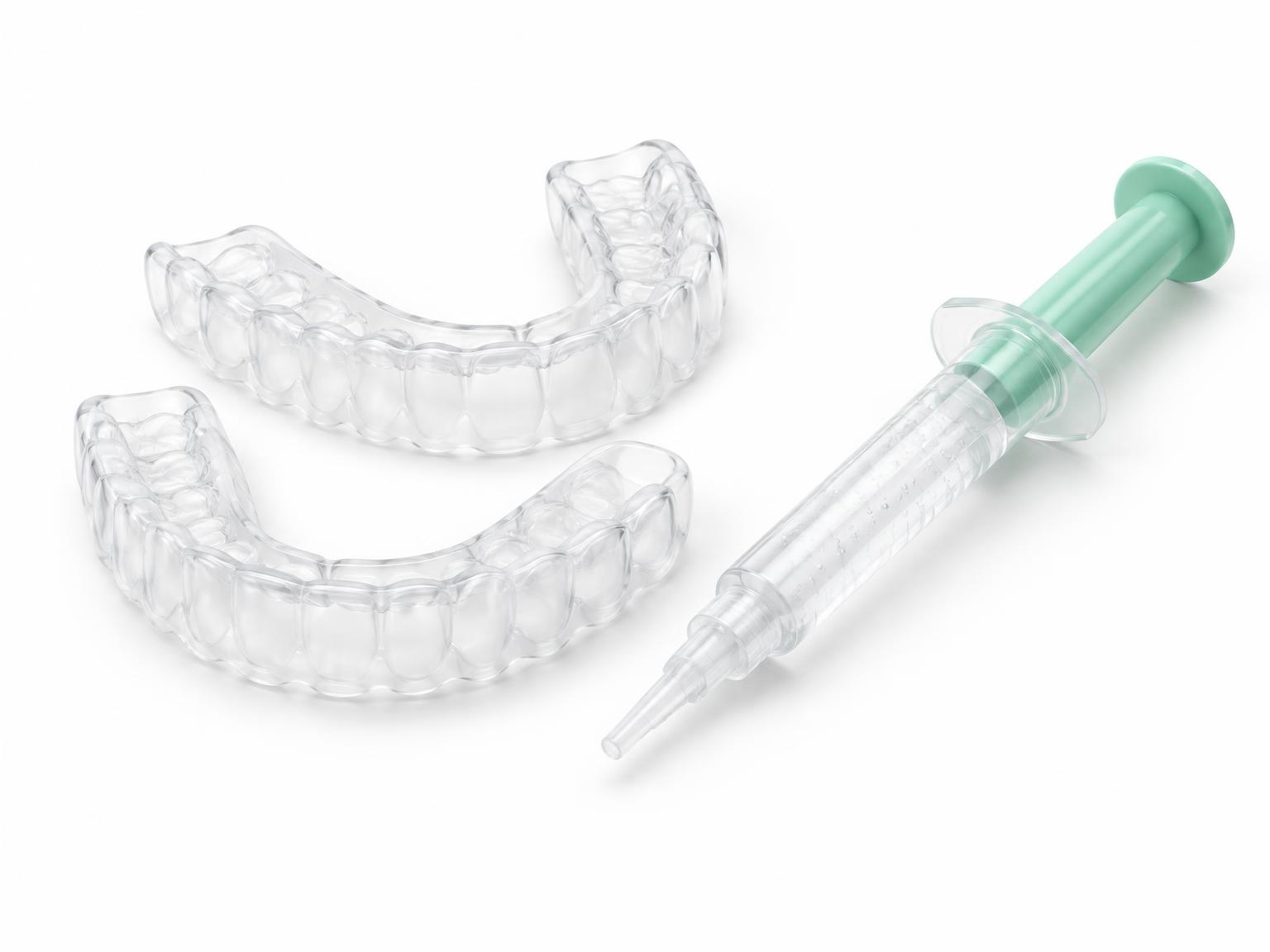
Take-home trays: custom trays and lower-concentration gel worn one to two hours a day. Slower, but with more even colour.
Combined: an in-clinic session followed by trays for maintenance, our preferred option for travelling patients.
Before whitening
Decay and gum inflammation must be treated first, and a professional clean removes surface staining. Patients often find that after a hygiene visit they need far less whitening than they assumed.
When whitening is not the answer
If the front teeth carry large ageing fillings or crowns, whitening will create a colour mismatch. In those cases the correct plan is to whiten first, then replace the restorations to the new shade, or to use bonding or veneers instead.
How long it lasts
With normal care the result holds for one to three years. Coffee, tea, red wine and smoking shorten that noticeably. A single top-up cycle with trays once a year keeps the shade stable.