
On this page
What people mean by a Hollywood smile
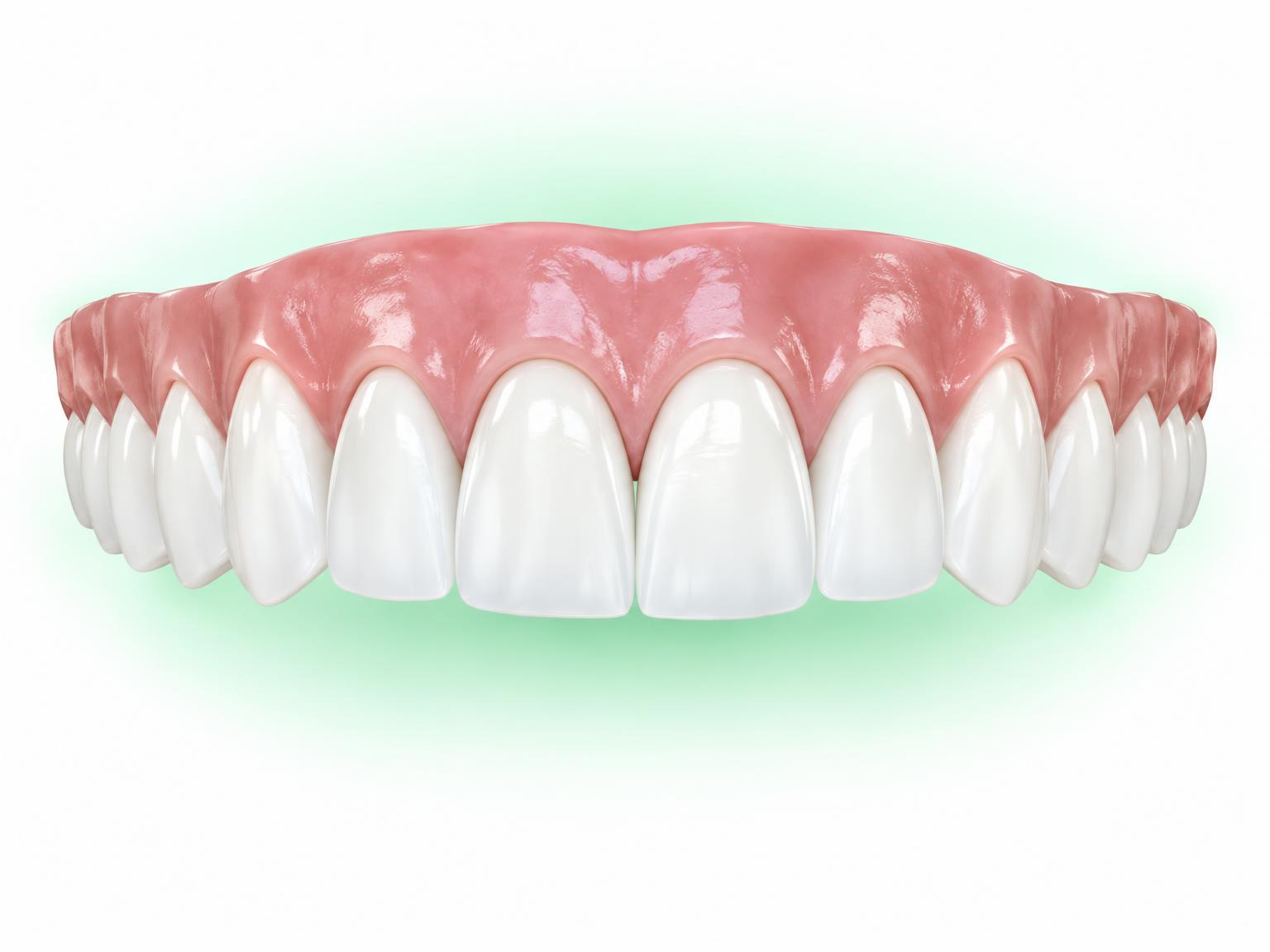
The phrase usually describes a bright, even, symmetrical smile line, often eight to twenty upper and lower teeth restored together so shade, shape and proportion match. What varies is how that result is achieved. It can be almost entirely cosmetic, or it can be a rebuild of a worn and collapsed bite that happens to look cosmetic when it is finished.
That distinction matters, because the two paths carry different risks. A smile makeover planned around healthy teeth is conservative. The same look forced onto untreated gum disease, an unstable bite or failing old crowns is not.
How a case is planned
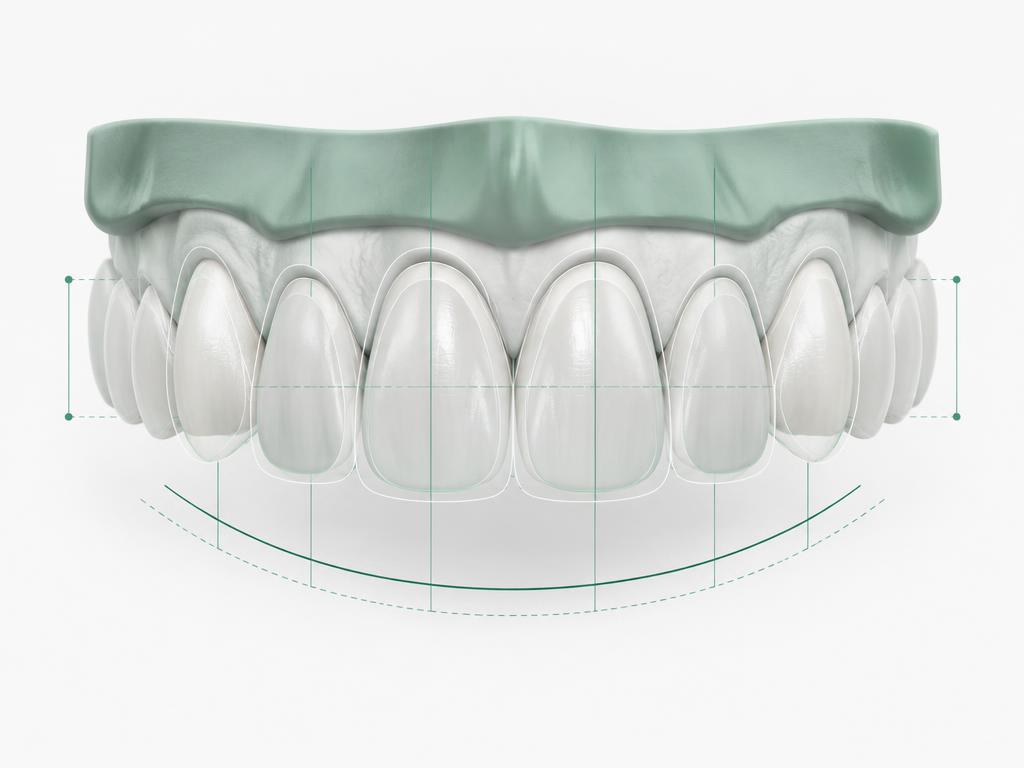
A properly planned case runs in a fixed order:
- Health first. Radiographs, gum assessment, decay and root canal checks. Nothing cosmetic is built over active disease.
- Bite analysis. How the teeth meet decides how much room there is for veneers and whether the new teeth will survive.
- Digital smile design. Photographs and scans are used to draw the proposed tooth shapes against your face, lips and midline.
- A mock-up you can wear. A trial smile is placed over your own teeth so the shape is agreed before anything is prepared.
- Preparation and fitting. Only then are teeth minimally prepared, and the final restorations bonded.
If a clinic offers a fixed number of veneers before seeing an X-ray, that is a sales process, not a treatment plan.
Veneers, crowns, or neither
Thin bonded porcelain veneers suit teeth that are sound but discoloured, chipped, worn at the edges or slightly misaligned. Crowns are for teeth already heavily filled, root-treated or structurally weak, they cover the whole tooth because there is not enough healthy structure to bond to.
Often the honest answer is neither. Mild crowding treated with clear aligners followed by whitening and a little composite bonding can produce the same visual result while keeping your enamel. Any dentist proposing a full set of veneers should be able to explain why the conservative route was ruled out.
What it feels like, step by step
Most makeovers are two visits separated by several days of laboratory work. The first appointment covers preparation, scanning and temporary restorations; the second covers try-in, adjustment and bonding. Temporary teeth look and function reasonably well but are more fragile, so soft food and no hard biting until the final fit.
Sensitivity to cold for a few weeks is normal. Speech adapts within days. Gums settle over two to three weeks, which is when the final photographs are worth taking.
The part nobody advertises
Veneers and crowns are restorations, and restorations are maintained. Expect a night guard if you grind, six-monthly hygiene reviews, and a realistic conversation about replacement in the future. Your own gum line will also move slowly over the years, which is why margin placement and gum health matter more than shade.
Done on healthy foundations with a bite that has been checked, a smile makeover ages well. Done as a shortcut over untreated problems, it fails in a way that is expensive to undo.