
On this page
Modern orthodontics has moved on
Twenty years ago straightening adult teeth meant metal brackets, elastic ties and a monthly visit to tighten a wire. Digital scanning, 3D treatment planning and low-friction bracket design changed that. Today most adult cases at our clinic are planned on an intraoral scan, simulated tooth by tooth, and then delivered either as a printed series of clear aligners or as self-ligating braces that hold the wire in a sliding door instead of an elastic tie. Metal brackets, once the default, now account for a shrinking minority of adult treatment. Even clinicians who spent their careers championing fixed metal appliances treat most of their patients with aligners today.
Both routes are covered on our orthodontics page, and the aligner route in detail on the clear aligners page.
Clear aligners, Damon braces or metal braces?
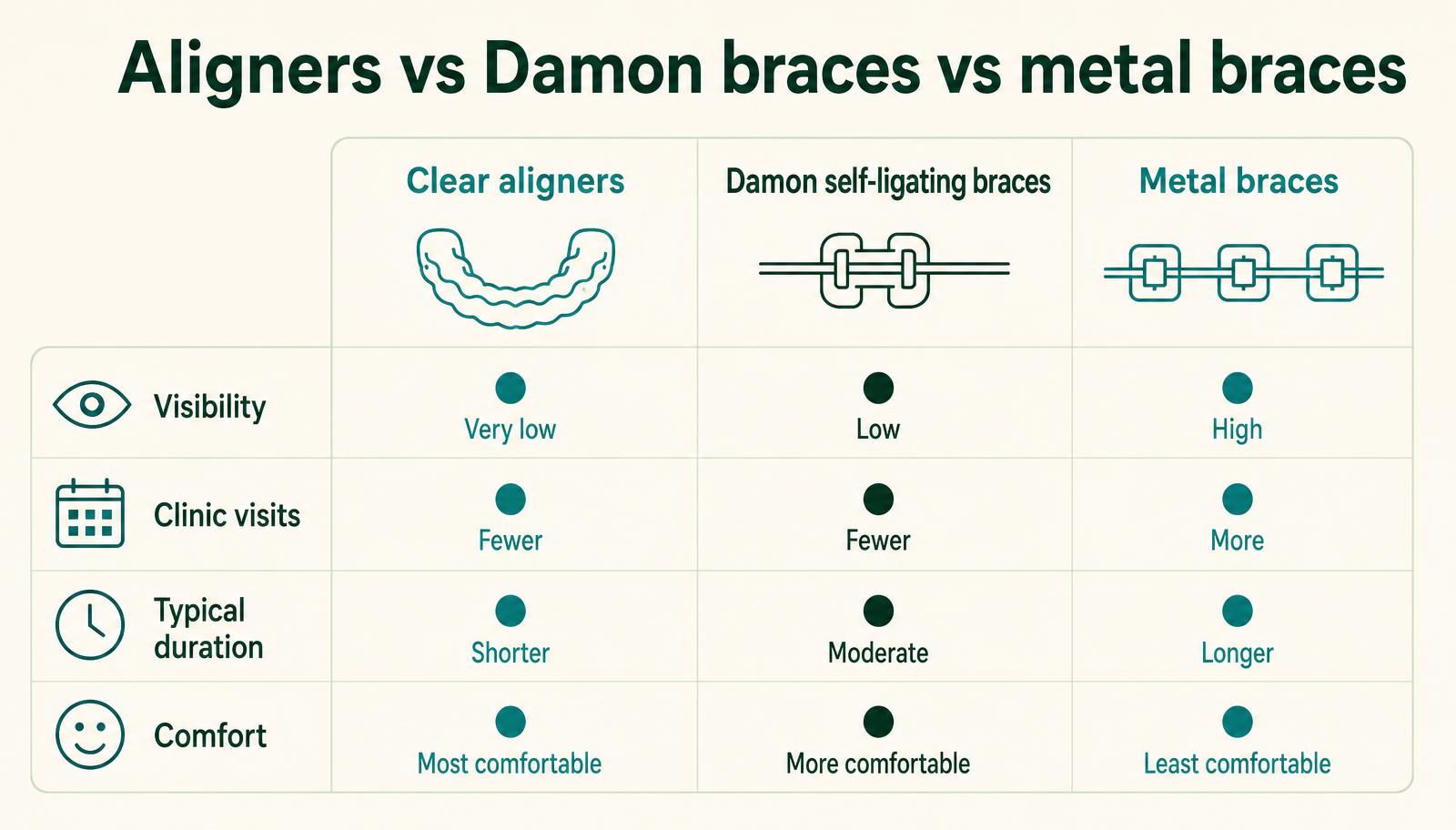
Clear aligners are removable trays worn 20-22 hours a day and changed every one to two weeks. They are the discreet option, they let you brush and floss normally, and they suit crowding, spacing, relapse after childhood braces and mild bite correction.
Damon and other self-ligating braces are fixed. Because the bracket holds the archwire without elastic ligatures, there is less friction, generally fewer adjustment appointments and, for many patients, a gentler feel than conventional brackets. They handle rotations, deep bites and larger movements that trays struggle with.
Conventional metal braces are used less and less. They remain the most economical fixed option and still earn their place in the most demanding mechanics, but increasingly only for a short phase rather than the whole treatment.
Aligner brands, and why generic does not mean lesser
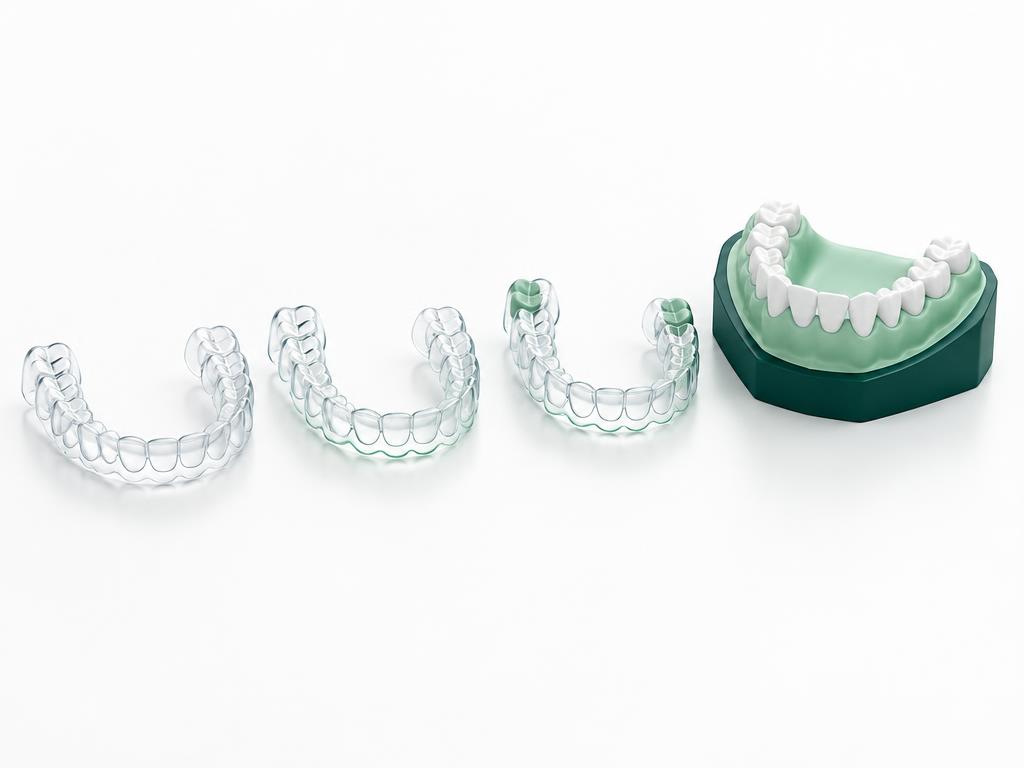
Invisalign is the best-known brand, and it earned that place. But the technology is no longer exclusive: Spark, Angelalign, Eon Aligner and a growing number of laboratory systems print from the same class of medical-grade thermoplastic, using the same digital workflow of scan, plan, stage and print.
At Dental Oasis Tirana we fit Oasis Clear Aligners, produced to our prescription by a partner laboratory. What you pay for with a premium brand is largely the brand's software licence and marketing, not a different plastic in your mouth. The plan is still made by an orthodontist, the movements are still staged in software, and you still approve the simulated result before anything is printed. That is why a full aligner case here costs roughly what a single arch costs privately in the UK.
Planned by your orthodontist, not only by software
This is the part patients rarely ask about, and it matters more than the brand on the box. With the best-known aligner systems the case is, most of the time, executed by planning software and a laboratory technician, with the treating dentist approving whatever comes back.
At Dental Oasis Tirana it works the other way round. Your orthodontist makes the diagnosis and defines the treatment plan, and the software then draws what the specialist has prescribed. Orthodontics is being automated quickly, and we deliberately keep the human element exactly where the clinical decisions are made. You are also followed by the same specialist at every stage of treatment, in the clinic and during the remote reviews between trips.
Damon and self-ligating braces in Tirana
If your case needs fixed appliances, we fit Damon-system self-ligating brackets as well as ceramic and conventional metal braces. Self-ligating brackets typically mean longer intervals between activations, useful for anyone travelling, and they are available in a tooth-coloured version if visibility matters.
The most complex cases are often treated as a combination: a short phase of metal or ceramic brackets for the movements that need heavy mechanics, then clear aligners to finish and detail the result. That keeps the fixed part of treatment as short as possible.
One trip to Tirana instead of monthly adjustments
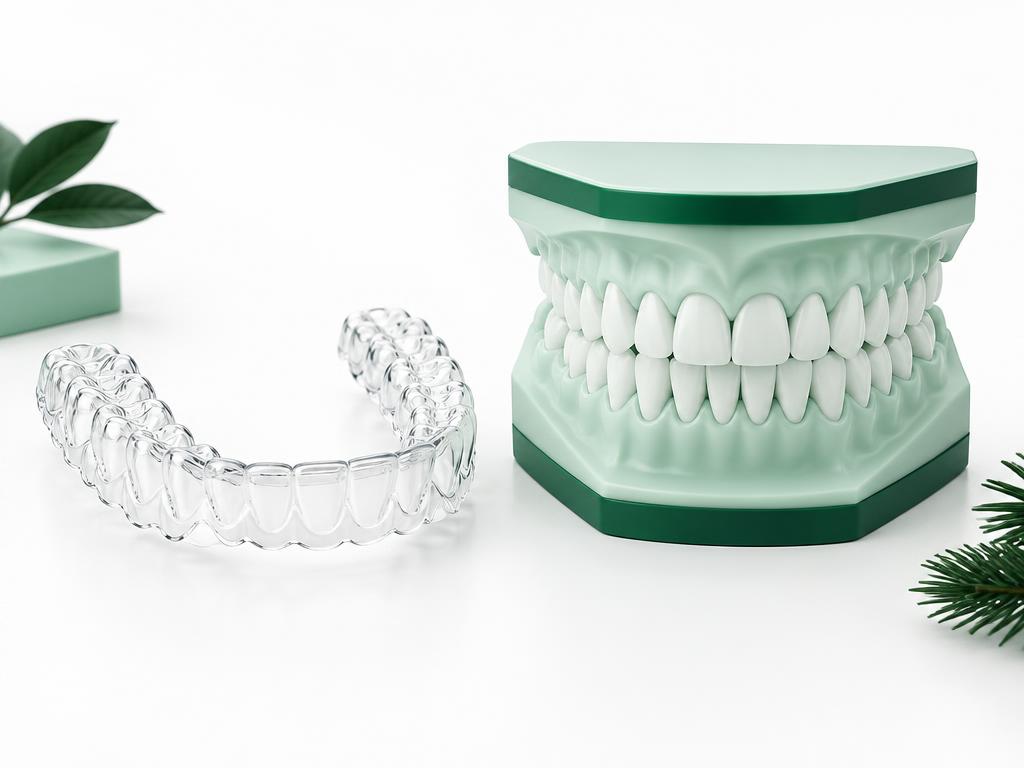
This is the practical reason aligners dominate our international caseload. Once your scan is taken and the plan approved, the entire series is printed and handed over in one visit. You fly home with every tray, a wear schedule and a set of attachments already bonded. Reviews happen by photo every four to six weeks, with one optional visit near the end for refinement and retainers.
Fixed braces are different: they need in-chair activations every four to eight weeks. That is realistic if you live in Albania, and awkward if you live in Manchester. If braces are clinically better for your bite, we will say so, but for a travelling patient, aligners usually win on logistics. Trip planning is covered on our dental tourism guide.
What it costs, and why there is no price list here
Albanian guidelines do not allow clinics to publish treatment prices, so you will not find a fee table on this page. What we can tell you is what moves the cost: whether one or both arches are treated, how many aligner stages your movements need, whether a short bracket phase comes first, and which retainers you choose at the end. The consultation, photos and 3D scan are part of the free assessment.
For travelling patients the bigger saving is usually in visits, not in the fee itself. Because the full aligner series is handed over in one trip, there are no monthly flights for adjustments. Send us photos or a recent scan and we email a written, itemised plan for your case, privately. If you are combining orthodontics with other work, our cost calculator sends a personal estimate by email.
Straightening your teeth abroad: how it works once you are home
Most of an aligner treatment happens at home, so the real question with teeth straightening abroad is how you are looked after between visits. This is how we run it:
- Check-ins by photo. Every four to six weeks you send a short set of photos with your aligners in and out. Your orthodontist reviews them personally and replies with any changes to your wear schedule.
- A clear plan if a tray does not fit. If an aligner stops seating fully, you go back one tray and tell us. We decide whether to wait, add chewies or order a replacement, which is posted to you.
- Refinements are planned in. Many cases need a short set of refinement aligners near the end. We schedule this with the optional final visit so it does not become an unplanned extra trip.
- Your local dentist stays involved. Keep your routine check-ups and hygiene visits at home. We give you a written summary of the plan, attachments and retainers so your dentist knows what has been done.
- Retainers before you finish. Retainers are made from your final scan, and a spare set is recommended so a lost retainer never undoes the result. See our guide to retainers.
If your bite needs fixed braces, we will tell you at the consultation and explain what that means for travel. For the travel side, see our dental tourism guide.
Your timeline, step by step
- Send photos and any recent x-rays; we tell you within a working day whether aligners are realistic.
- Trip one, day one: examination, photographs, 3D scan, hygiene visit if needed.
- Days two to four: your plan and simulated result are reviewed with you and approved.
- Attachments bonded, full aligner series handed over, wear schedule explained.
- Months two to nine: remote photo reviews every four to six weeks.
- Final visit: polishing, whitening if wanted, fixed and removable retainers.
When aligners are not the answer
Trays only work while they are in your mouth. If you know you will not wear them 20-22 hours a day, fixed braces are the honest choice. Severe skeletal discrepancies, large rotations, impacted canines and cases needing extractions with heavy mechanics are also better served by braces, sometimes with surgery. Active gum disease or untreated decay must be resolved first, see gum treatment.
Keeping the result
Every case, aligner or brace, finishes with retainers: a thin wire bonded behind the front teeth plus a removable retainer worn at night, indefinitely. Relapse, not treatment, is what brings most adults back for a second course. Whitening and any composite bonding is done after the teeth are in their final position.
Ready to know which route fits your bite? Book a free consultation and send your photos.