
On this page
Introduction
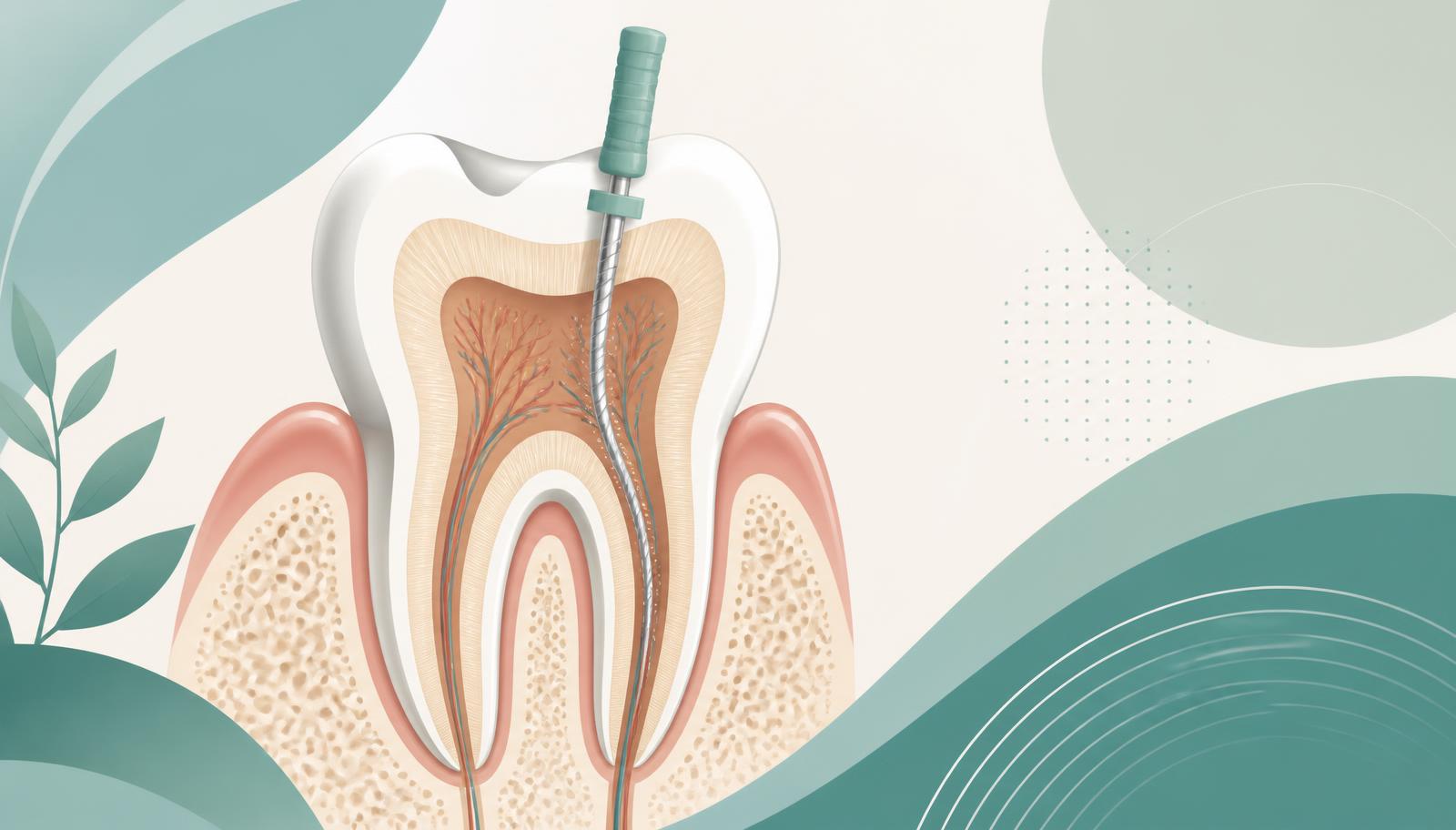
A root canal has a bad reputation it no longer deserves. With modern rotary instruments, magnification and good anaesthesia it feels much like having a large filling done, and it saves a tooth that would otherwise be extracted.
TLDR;
- A root canal removes infected pulp, disinfects the canals and seals them.
- Most teeth need one or two appointments, a few days apart.
- A back tooth almost always needs a crown afterwards.
- Treatment plus crown normally fits inside one trip of five to seven days.
- A retreatment of an old root canal takes longer and has a lower success rate.
When a root canal is needed
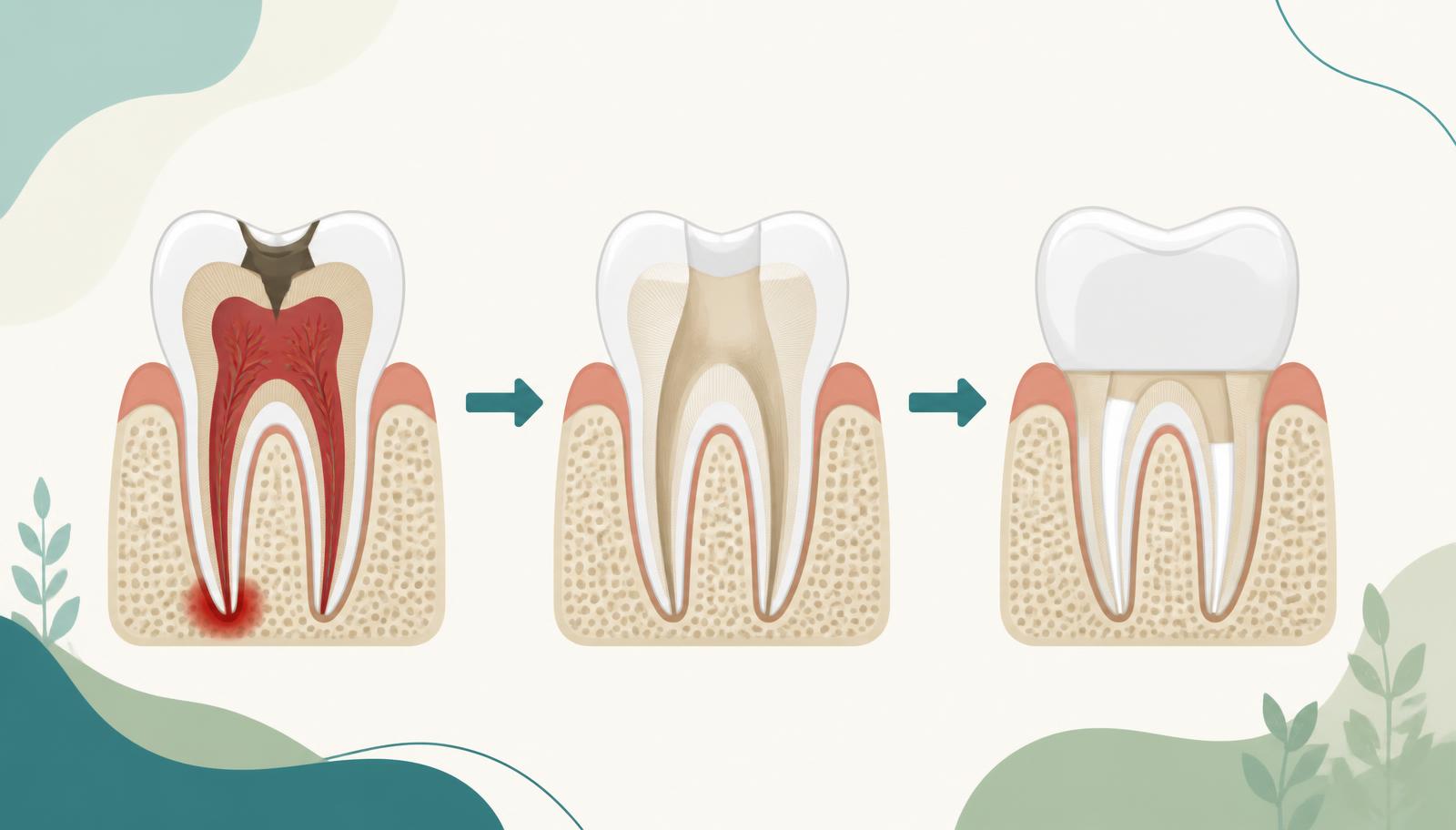
Deep decay, a crack, a failed old filling or trauma can let bacteria reach the pulp. The signs are lingering pain to hot or cold, pain on biting, a swelling or a discoloured tooth. Sometimes there is no pain at all and the infection is found on an X-ray.
What happens on the day
The tooth is numbed and isolated with a rubber dam. The canals are cleaned, shaped and disinfected, then filled with a sealer and gutta-percha. A core build-up restores the missing tooth structure. If the infection is large, the canals are dressed with medication and the tooth is sealed permanently a few days later.
Why the crown matters
A treated back tooth has lost its blood supply and a lot of structure, so it becomes brittle. A crown, usually monolithic zirconia, spreads the biting load and is the single biggest factor in how long the tooth survives. Skipping it is the most common reason a root canal fails years later.
Planning it as a trip
Send a recent X-ray or a photograph on WhatsApp. We tell you before you travel whether the tooth is savable, whether a crown or an extraction and implant is the more sensible plan, and how many days to book. Because Albanian dental guidelines do not allow clinics to publish prices, the costed plan is sent to you privately.
Ask for a written plan or read our guide on crowns and caps.