
On this page
Introduction
Losing all the teeth in a jaw leaves three realistic routes: a conventional denture, a denture that clips onto implants, or a fixed bridge on implants. They differ far more in daily life than most patients expect.
TLDR;
- A conventional denture is removable, rests on gum and moves when you chew.
- Two to four implants convert it into a clip-in overdenture that stays put.
- Four to six implants carry a fixed bridge you never take out.
- Only implants slow the bone loss that reshapes the face over the years.
- Implant work needs two trips to Tirana; a denture alone needs one.
Conventional dentures
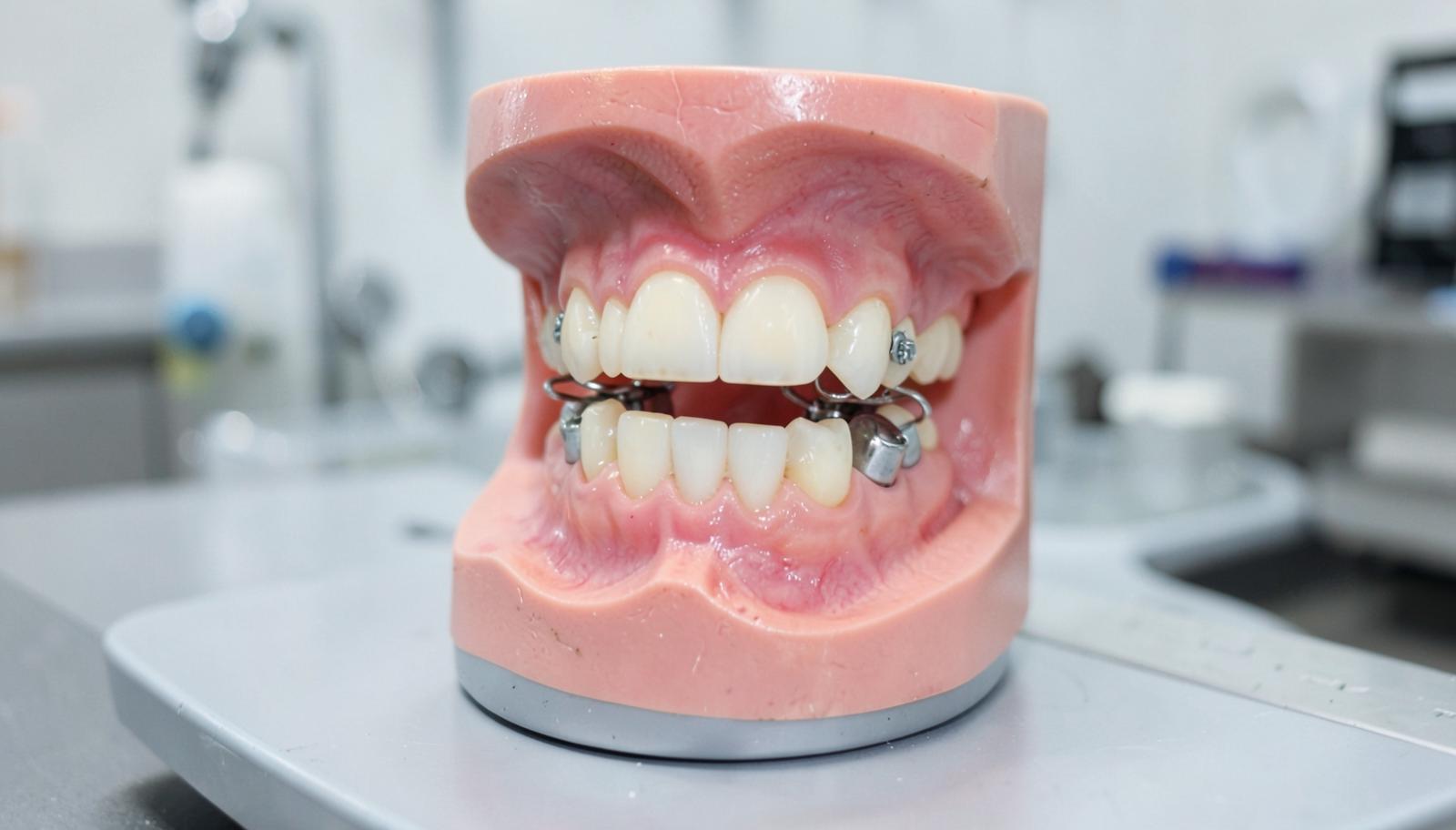
Modern dentures are lighter and better fitting than the ones people remember, and for a patient who cannot have surgery they are a sensible choice. The trade-offs are real: chewing force is a fraction of natural teeth, the lower denture in particular tends to lift, and the jawbone under it keeps shrinking, so the denture needs relining every few years.
Implant overdentures
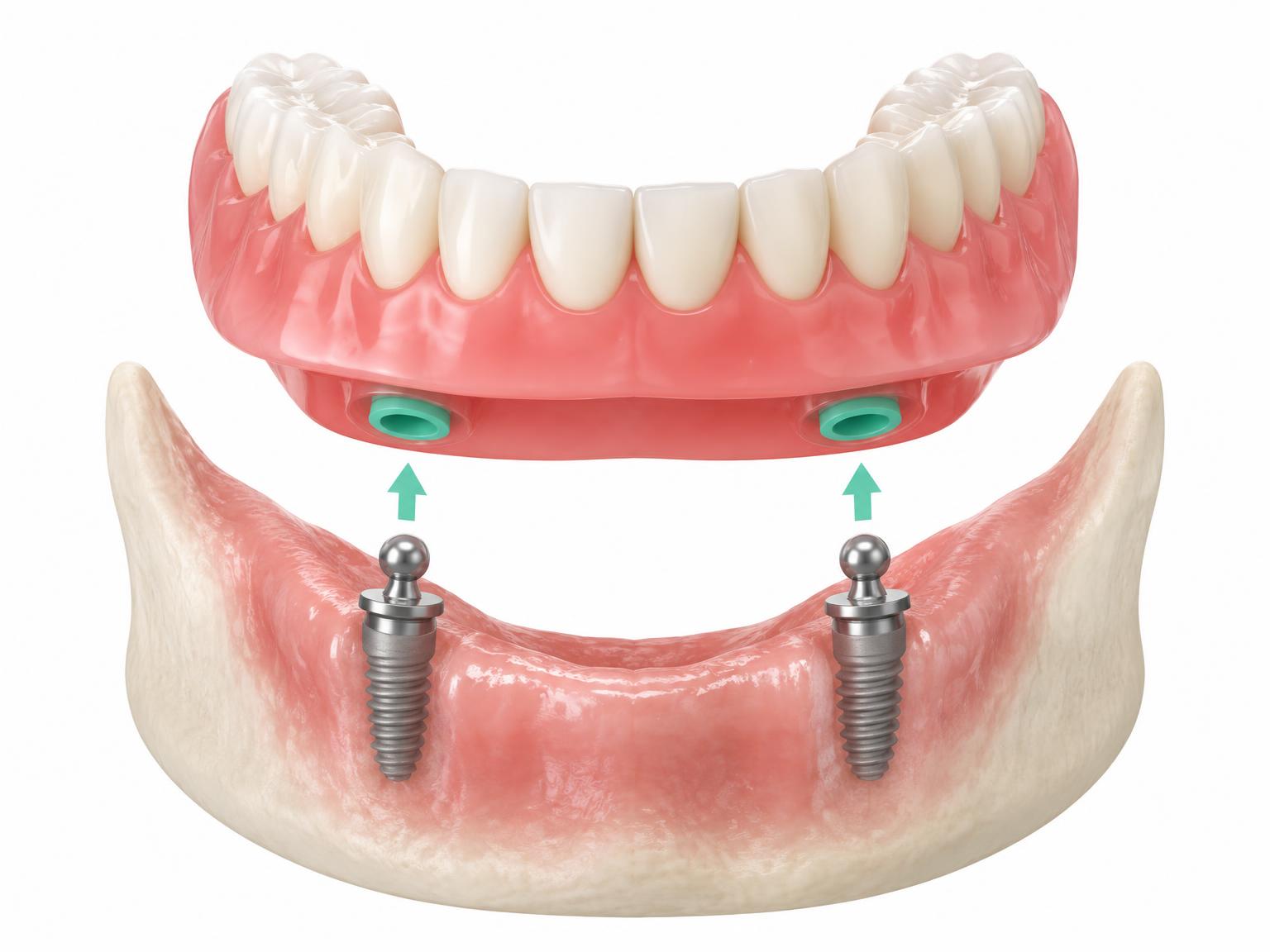
Two implants in the lower jaw already transform stability, and four give more. The denture clips onto locators and is taken out for cleaning. It is the best value step up from a conventional denture and still allows a natural-looking lip support where a lot of gum tissue has been lost.
Fixed bridges on implants
Four to six implants, All-on-4 or All-on-6, carry a bridge that only the dentist removes. Chewing is closest to natural teeth and nothing moves when you speak. It asks for more bone or grafting, and for careful cleaning around the bridge every day.
What we do at Dental Oasis
We start with a CBCT scan and an honest conversation about bone, bite and what you want to eat again. Some patients are better served by an overdenture than by a full fixed bridge, and we say so.
Ask for a written plan, or compare All-on-4 and All-on-6.